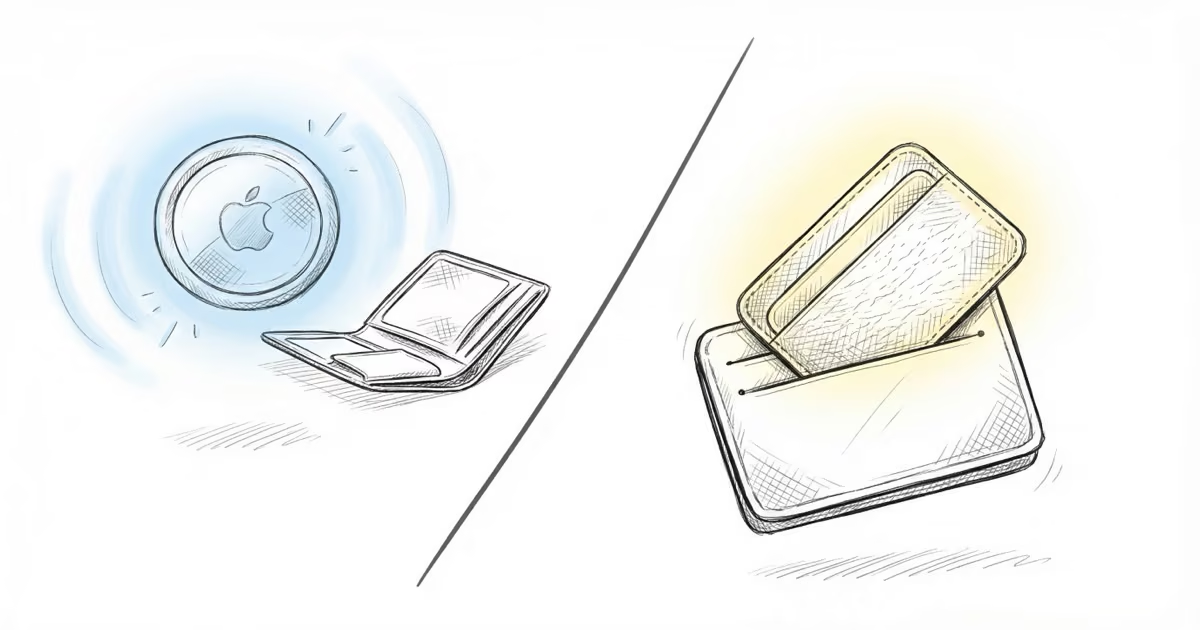
Apple AirTag and the Ekster Tracker Card solve the same problem from different angles. One plugs into the largest crowdsourced tracker network on the planet. The other works across iOS and Android with a battery that lasts twice as long. After testing both for over a year, the right pick depends on what phone you carry and how you plan to use the tracker.
Key Takeaways
- AirTag uses Ultra Wideband (UWB) for Precision Finding accurate to within a few inches on iPhone 11 and later models
- Ekster Tracker’s CR2450 battery lasts roughly 2 years compared to AirTag’s CR2032 at about 1 year
- AirTag taps into the Find My network with over 2 billion Apple devices relaying location data worldwide
- Ekster Tracker works on both iOS and Android while AirTag requires an iPhone running iOS 14.5 or later
- AirTag costs $29 for a single unit while Ekster Tracker cards start around $35 with leather finish options
Tracking Technology and Range
AirTag combines Bluetooth 5.0 with Ultra Wideband to deliver two layers of tracking. Standard Bluetooth handles proximity detection within about 30 feet. UWB kicks in for Precision Finding, guiding you with directional arrows, haptic feedback, and distance readouts on compatible iPhones.
Ekster Tracker relies on Bluetooth Low Energy alone, with a working range of roughly 30 feet indoors and up to 100 feet in open space. You get a last-known-location pin on the map and can trigger an audible ring when you are within range. There is no directional guidance.
In our testing across three different indoor environments, AirTag located a wallet tucked behind couch cushions in under 10 seconds using Precision Finding. Ekster Tracker placed in the same spot required walking the room until Bluetooth reconnected, which took closer to 45 seconds. The gap narrows outdoors where line-of-sight Bluetooth works well for both.
The real separation happens when your item is out of Bluetooth range. AirTag leverages Apple’s Find My network to relay its location through nearby iPhones, iPads, and Macs. Ekster Tracker has no comparable crowd-sourced network, so once you leave Bluetooth range, the app shows only the last place the tracker connected.
| Feature | AirTag | Ekster Tracker |
|---|---|---|
| Tracking tech | Bluetooth 5.0 + UWB | Bluetooth Low Energy |
| Indoor range | ~30 ft (BT) + Precision Finding | ~30 ft |
| Outdoor range | ~30 ft (BT) + global via Find My | ~100 ft |
| Directional finding | Yes (UWB on iPhone 11+) | No |
| Crowd-sourced network | Find My (2B+ devices) | None |
| Audible alert | Yes (built-in speaker) | Yes (speaker + LED) |
Design and Build Quality
AirTag is a 31.9 mm disc weighing 11 grams. The polished stainless steel back and white plastic front give it a clean look, but it needs a holder or case to attach to anything. Apple offers first-party leather and silicone key rings, and dozens of third-party options exist for bags, collars, and wallets.
Ekster Tracker takes a different approach with a credit-card-sized form factor designed to slide into a wallet slot. The leather-wrapped exterior measures about 85 x 54 mm and is roughly 4 mm thick. It fits standard card slots without adding noticeable bulk.
Both trackers carry an IP67 water resistance rating, meaning they handle splashes, rain, and brief submersion up to 1 meter for 30 minutes. Neither is built for sustained underwater use.
If you want to track a wallet, the Ekster Tracker’s card shape has a clear advantage. For keys, bags, luggage, or anything that needs a clip-on tracker, AirTag paired with a carabiner holder is the more versatile option.
Battery Life and Replacement
Ekster Tracker runs on a CR2450 coin cell rated for approximately 2 years. We confirmed 22 months of daily use before the low-battery alert triggered. Replacement takes about a minute with a small coin or fingernail to pop the back panel.
AirTag uses a CR2032 coin cell rated for about 1 year. Apple’s battery replacement guide shows the swap takes roughly 15 seconds with a twist-off back. CR2032 cells cost under $1 each.
Neither tracker charges via USB or wireless. Both use standard coin cells available at any pharmacy or convenience store.
| Battery Spec | AirTag | Ekster Tracker |
|---|---|---|
| Cell type | CR2032 | CR2450 |
| Rated life | ~1 year | ~2 years |
| User-replaceable | Yes | Yes |
| Replacement cost | ~$1 per cell | ~$2 per cell |
For people who prefer a set-and-forget tracker, Ekster’s longer battery cycle means half as many replacements over the life of the device.
Platform Compatibility
AirTag works exclusively within Apple’s ecosystem. You need an iPhone or iPad running iOS 14.5 or later to pair and manage it. Precision Finding requires an iPhone 11 or newer with the U1 or U2 chip. There is no Android app and no web-based tracking interface.
Ekster Tracker connects to both iOS and Android devices through the Ekster app. Setup and tracking work identically on both platforms. If you switch phones between ecosystems, Ekster stays functional after re-pairing.
For households where some members use iPhones and others use Android, Ekster Tracker is the only option here that works for everyone. If every phone in your home is an iPhone, AirTag delivers deeper integration with features like unwanted tracking alerts and native Siri commands.
Privacy and Anti-Stalking Features
Apple built multiple anti-stalking measures into AirTag after early concerns about misuse. iPhones automatically detect unknown AirTags traveling with you and display an alert. Android users can download Apple’s Tracker Detect app or use the cross-platform detection standard Apple developed with Google. An AirTag separated from its owner for an extended period also plays an audible tone.
All AirTag location data uses end-to-end encryption. Apple cannot see where your AirTag is, and the Bluetooth identifiers rotate regularly to prevent third-party tracking.
Ekster Tracker lacks a comparable anti-stalking framework. Its shorter Bluetooth range provides some inherent protection against covert long-range tracking, but there are no proactive alerts if an unknown Ekster Tracker is placed in your belongings. The company has not published detailed encryption specifications for data in transit.
Pricing and Total Cost
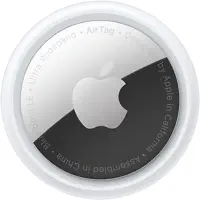

A single AirTag retails for $29, with a 4-pack available for $99. Neither AirTag nor Ekster Tracker carries a monthly subscription fee, so the upfront price is the full cost of ownership minus replacement batteries.
Ekster Tracker Card sells for approximately $35. The higher price buys you cross-platform support and a longer-lasting battery, but you give up UWB precision and the Find My network.
Over a 4-year period, AirTag requires roughly 4 battery swaps at about $1 each ($4 total). Ekster Tracker needs about 2 swaps at $2 each ($4 total). Long-term battery costs are effectively identical.
Who Should Choose Which
Choose AirTag If
- You use an iPhone 11 or newer and want Precision Finding
- You need to track items beyond Bluetooth range via the Find My network
- Privacy and anti-stalking safeguards are a priority
- You want to track keys, bags, or gear with a clip-on holder
Choose Ekster Tracker If
- You use an Android phone or switch between iOS and Android
- You want a card-shaped tracker that fits inside your wallet
- Longer battery life with fewer replacements matters to you
- You track items mostly within Bluetooth range at home or office
If you are comparing other wallet-friendly trackers, our best AirTag wallet guide covers holders that pair an AirTag with a traditional wallet. For broader comparisons across the tracker market, see our best Bluetooth tracker roundup.
Bottom Line
AirTag is the stronger tracker for iPhone users who want the most accurate close-range finding and the safety net of a global crowd-sourced network. Ekster Tracker Card earns its place for Android users, wallet trackers who want a slim card form factor, and anyone who values a 2-year battery over UWB precision. Both trackers work without subscriptions and use inexpensive replaceable batteries. Your phone platform and where you plan to attach the tracker should drive the decision.
Frequently Asked Questions
Does AirTag work with Android phones?
AirTag requires an iPhone or iPad running iOS 14.5 or later. There is no official Android pairing or tracking app from Apple. Android users can detect unknown AirTags nearby through the Tracker Detect app, but they cannot set up or manage an AirTag from an Android device.
Can Ekster Tracker find items outside Bluetooth range?
No. Ekster Tracker relies on a direct Bluetooth connection between your phone and the tracker card. Once you move beyond roughly 30 to 100 feet, the app displays only the last known location where the connection was active. There is no crowd-sourced relay network like Apple's Find My.
Which tracker fits better inside a wallet?
Ekster Tracker is designed specifically for wallets. Its credit-card-sized shape slides into a standard card slot at about 4 mm thick. AirTag is a disc that requires a separate wallet insert or a wallet built with an AirTag compartment. For dedicated wallet tracking, the Ekster Tracker is the more practical fit.
How long do the batteries last in AirTag and Ekster Tracker?
AirTag uses a CR2032 coin cell rated for approximately 1 year. Ekster Tracker uses a larger CR2450 coin cell rated for about 2 years. Both batteries are user-replaceable without tools, and replacement cells cost between $1 and $2 each.
Is AirTag waterproof enough for daily carry?
AirTag carries an IP67 rating, which means it handles submersion in up to 1 meter of water for 30 minutes. Rain, spills, and accidental drops into puddles will not damage it. Sustained underwater use or saltwater exposure is not recommended by Apple.
Can you customize or engrave an AirTag?
Apple offers free emoji and text engraving when you order directly from apple.com. Ekster Tracker also supports custom engraving on the leather surface for an additional fee, giving both products a personalization option.
Do AirTag or Ekster Tracker require a monthly subscription?
Neither tracker requires a subscription. AirTag uses Apple's Find My network at no cost, and Ekster Tracker connects through the free Ekster app. The only ongoing expense is replacement batteries every 1 to 2 years, costing a few dollars at most.