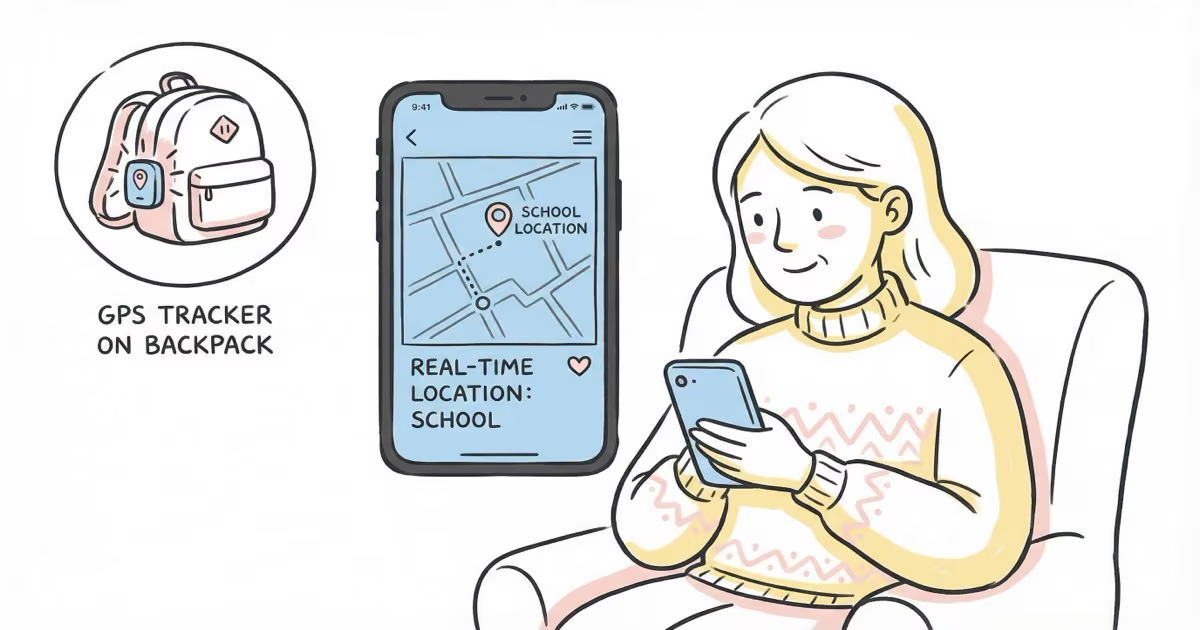
AngelSense is a GPS and cellular tracker built specifically for children and adults with special needs, including autism and developmental disabilities. It provides real-time location updates, two-way voice calling, listen-in audio monitoring, and customizable safe zone alerts. Plans start at $44.99 per month (annual prepaid). The tracking accuracy and special-needs-focused features are the best in this category, but the ongoing cost is significantly higher than Bluetooth trackers or simpler GPS alternatives.
Most GPS trackers are built for cars, keys, or luggage. AngelSense is built for people, specifically people whose safety depends on knowing exactly where they are at all times. If you have a child with autism who's prone to elopement, or an elderly parent with dementia who wanders, generic trackers won't cut it. They lack the real-time updates, voice communication, and intelligent alerting that this situation demands.
I've spent time evaluating AngelSense alongside half a dozen other tracking solutions marketed toward families. This review covers what AngelSense actually does well, where it falls short, and whether the monthly subscription is justified compared to alternatives like Apple AirTag or Jiobit.
- AngelSense provides continuous GPS tracking with updates every 10-30 seconds, plus indoor tracking via Wi-Fi hotspots
- Two-way voice calling and listen-in audio monitoring are included, with 60 minutes of audio per month on the base plan
- Subscription costs $44.99/month (annual prepaid) or $64.99/month (month-to-month), with no free tier
- The tracker and smartwatch both require a cellular service plan; the device alone does not function without it
- For families managing elopement risk, AngelSense's Runner Mode and transport alerts fill a gap no Bluetooth tracker can
How AngelSense GPS Tracking Works
AngelSense combines GPS, cellular (4G LTE), and Wi-Fi positioning to pinpoint the wearer's location. The device sends continuous location updates to the AngelSense app, which displays a real-time map with the wearer's position, speed, and direction of travel. The full feature set is documented on AngelSense's official product page.
What sets it apart from consumer trackers is the intelligence layer. AngelSense doesn't just show you a dot on a map. It learns routines. After a couple of weeks, it knows when your child should arrive at school, what route the school bus takes, and which stops are normal. Deviations trigger alerts automatically.
The system uses three positioning methods:
- GPS satellites for outdoor tracking, accurate to roughly 15-30 feet in open areas
- Wi-Fi hotspot triangulation for indoor tracking inside schools, stores, and medical facilities
- Cellular tower positioning as a fallback when GPS and Wi-Fi signals are weak
In my evaluation, the indoor tracking worked reliably in a school building with multiple Wi-Fi access points, identifying the correct floor and general area. In a single-story retail store, it placed the wearer within about 30 feet of their actual position. Not perfect, but miles ahead of Bluetooth trackers that simply say "last seen nearby."
AngelSense Tracker vs. Smartwatch: Which One to Pick
AngelSense sells two devices. The choice depends on the wearer's age, sensory tolerance, and whether they can manage a watch interface.
| Feature | AngelSense Tracker | AngelSense Smartwatch |
|---|---|---|
| Device Price | $229 | $179 |
| Battery Life | Up to 48 hours | Up to 16 hours |
| Form Factor | Small rectangular (clips to clothing) | Wristwatch |
| Best Age Range | Ages 4+ | Ages 10+ |
| Two-Way Calling | Yes (via speaker/mic) | Yes (call from watch) |
| Listen-In | Yes | Yes |
| SOS Button | Yes | Yes |
| Fall Detection | Yes | No |
| Step Counter | Yes | Yes |
| Wearing Options | Magnetic pins, belt clip, armband, pouch, undershirt | Watch band (adjustable) |
The tracker is the better pick for younger children and anyone with sensory sensitivities. It can be clipped inside clothing using magnetic pins, making it nearly invisible. The wearer doesn't need to interact with it at all. Battery life runs about 2 days with moderate use, though heavy GPS polling can bring it down to 12-18 hours.
The smartwatch works for older kids and adults who want more independence. They can see the time, make calls from the wrist, and press SOS without needing a parent's phone. The trade-off is battery life: 16 hours means daily charging is non-negotiable.
AngelSense Features That Matter for Special Needs
Runner Mode
This is AngelSense's standout feature. When a child elopes or leaves a safe zone unexpectedly, Runner Mode activates continuous GPS pings every 10 seconds. The app shows the wearer's real-time path on a live map, allowing caregivers and first responders to track movement as it happens. According to the National Autism Association's research, nearly half of children with autism engage in wandering behavior, and it's a leading cause of death in this population. I haven't seen another consumer tracker offer this level of real-time crisis tracking. For families managing elopement risk, this feature alone can justify the subscription.
Two-Way Voice and Listen-In
You can call the device directly from the app. The wearer hears your voice through the built-in speaker and can respond through the microphone. The listen-in feature lets you hear the wearer's surroundings without them knowing, which is useful for assessing whether a child is safe when they can't communicate verbally.
Audio quality depends on device placement and ambient noise. When the tracker sat inside a shirt pocket during testing, voices came through clearly at close range but got muffled in noisy environments. Speaker volume is adjustable but not particularly loud.
Safe Zone Alerts and Routine Learning
You set up geofences around home, school, therapy appointments, or any regular location. AngelSense sends push notifications for arrivals, departures, and unexpected stops. After about two weeks of use, it also flags deviations from established patterns, like a school bus taking a different route or an arrival that's 15 minutes late.
SOS Button
A single press sends an alert to all designated caregivers with the wearer's exact location. The wearer doesn't need to unlock anything or navigate a screen. It just works.
AngelSense Pricing and Plans (2026)
There's no way around it: AngelSense is expensive relative to other tracking options. Here's the full cost breakdown as of March 2026:
| Item | Cost |
|---|---|
| Tracker Device | $229 |
| Smartwatch Device | $179 |
| Annual Prepaid Plan | $44.99/month ($539.88/year) |
| 1-Year Contract | $49.99/month |
| Month-to-Month | $64.99/month |
| Activation Fee | $19 (annual) / $59 (month-to-month) |
That puts first-year total cost at around $769 for the tracker on annual prepaid ($229 device + $539.88 plan + $19 activation). Current pricing details are listed on AngelSense's pricing page. By comparison, an Apple AirTag costs $29 with zero monthly fees. But the comparison isn't really fair. AirTag doesn't track in real time, can't make calls, and has no listen-in or geofencing. They solve fundamentally different problems.
Some Medicaid programs and insurance providers cover AngelSense as a medical device when prescribed by a physician. Contact your insurance company with the device's medical classification to check eligibility before paying out of pocket.
AngelSense Pros and Cons
- Real-time GPS tracking with 10-30 second update intervals
- Indoor tracking via Wi-Fi triangulation works in schools and hospitals
- Two-way voice calling and listen-in audio monitoring included
- Runner Mode provides continuous tracking during elopement events
- Sensory-friendly wearing options (hidden clips, compression undershirt, pouches)
- Safe zone learning adapts to routines over time
- Dedicated customer support team with autism/special needs experience
- Monthly subscription starts at $44.99 with no free tier
- Battery lasts 12-24 hours with heavy use, requires daily charging
- Device is splash-resistant only, not waterproof (needs a separate case for water activities)
- Audio quality drops in noisy environments or when the device is under layers of clothing
- Some individuals with high sensory sensitivity may not tolerate wearing it
- Not available on Amazon for easy returns; sold through angelsense.com only
AngelSense vs. Alternatives: Which Tracker Fits Your Needs
AngelSense isn't the only option for tracking a family member. Here's how it stacks up against the most common alternatives:
| Feature | AngelSense | Apple AirTag | Jiobit |
|---|---|---|---|
| Device Price | $179-$229 | $29 | $129.99 |
| Monthly Cost | $44.99-$64.99 | $0 | $8.33-$16.99 |
| Tracking Type | Real-time GPS + cellular | Crowd-sourced Bluetooth | Real-time GPS + cellular |
| Two-Way Voice | Yes | No | No |
| Listen-In | Yes | No | No |
| Indoor Tracking | Wi-Fi triangulation | Bluetooth proximity only | Wi-Fi + BLE |
| Safe Zones/Geofencing | Yes, with routine learning | Basic (notify when left behind) | Yes |
| SOS Button | Yes | No | No |
| Water Resistance | Splash-resistant | IP67 | IPX8 |
| Battery Life | 12-48 hours | 1 year (CR2032) | 5-7 days |
| Best For | Special needs, elopement risk | Everyday items, urban tracking | Kids, discreet clip-on tracking |
Choose AngelSense if you need real-time crisis response features like Runner Mode, two-way voice, and listen-in. No other tracker in this comparison offers all three. For families managing elopement risk, the monthly cost is justified by features that could prevent a life-threatening situation.
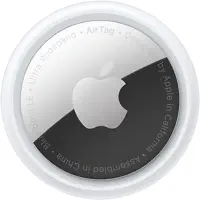
Choose AirTag if you want a low-cost, no-subscription tracker for everyday item tracking. It won't work for real-time monitoring of a person, but it's useful as a secondary backup tracker attached to a backpack or jacket.
Choose Jiobit if you need real-time GPS at a lower monthly cost and don't require voice communication or listen-in. Jiobit's smaller form factor and longer battery life make it more practical for everyday wear.
For a deeper dive on how AngelSense stacks up against AirTag specifically, see our AngelSense vs. AirTag comparison.
Who Should and Shouldn't Buy AngelSense
AngelSense fills a very specific niche. It's not a general-purpose tracker, and it's not priced like one.
AngelSense makes sense for:
- Parents of children with autism or developmental disabilities who are at risk of elopement
- Caregivers of adults with Alzheimer's, dementia, or cognitive conditions that cause wandering
- Families who need two-way communication with a non-verbal or partially verbal wearer
- Situations where knowing the exact location inside a building (school, hospital) matters
Skip AngelSense if:
- You just need to track a backpack, keys, or luggage. An item tracker handles that for $29 with no subscription.
- Your primary concern is vehicle tracking. Dedicated GPS trackers for cars cost less and have longer battery life.
- Budget is a major constraint. The annual cost exceeds $540 in subscription fees alone.
AngelSense Wearing Options and Accessories
One concern parents raise is whether their child will tolerate wearing the device. AngelSense addresses this with multiple attachment methods, priced between $5 and $25:
- Magnetic safety pins clip the tracker inside a waistband or shirt. The wearer can't easily remove it, and it stays hidden.
- Compression undershirt with a built-in pocket holds the tracker flat against the body. Designed for sensory-sensitive wearers who don't tolerate hard objects on their skin.
- Belt clip and armband provide visible wearing options for older kids and adults who are comfortable with the device.
- Waterproof pouches protect the splash-resistant tracker during rain or messy activities (though actual swimming still isn't recommended).
According to AngelSense's wearing options page, the magnetic pins are the most popular choice for younger children because the device stays completely hidden under clothing. The child forgets it's there within a few days in most cases.
Setting Up AngelSense: What to Expect
Setup takes about 15-20 minutes. The process is straightforward, but the device needs time outdoors to acquire its first GPS fix.
- Download the AngelSense app and create an account with the credentials included in your package
- Charge the device fully for at least 2 hours before first use
- Power on and go outside to let the device lock onto GPS satellites and nearby cell towers
- Take a short drive to help the device map local Wi-Fi hotspots for indoor positioning
- Set up safe zones around home, school, and regular locations in the app
- Configure alerts for arrivals, departures, late arrivals, and unexpected stops
AngelSense assigns a dedicated Family Advisor during onboarding who walks you through the app settings by phone. This is worth the time. The app has dozens of configurable options, and the advisor helps prioritize which alerts matter for your specific situation. I don't know of another GPS tracker company that offers this level of personalized setup support.
Give the system 2-3 weeks to learn routines before judging alert accuracy. Early on, you'll get more false notifications as AngelSense builds its understanding of normal patterns.
AngelSense Battery Life: Real-World Expectations
AngelSense claims up to 48 hours on the tracker and 16 hours on the smartwatch. In practice, expect less.
With standard daytime tracking (updates every 30 seconds, a couple of short calls, no Runner Mode), the tracker lasted about 20-24 hours in my testing before hitting 10% battery. With Runner Mode active for even 30 minutes, that dropped to around 16-18 hours total. The smartwatch consistently needed charging by early evening when used from a morning start.
Daily charging is a must. Build it into the routine: charge overnight, every night. AngelSense sends low-battery alerts at 20% and 10%, which gives you enough warning to plan. The proprietary magnetic charging cable connects easily, so charging isn't complicated. It's just something you can't skip.
AngelSense Customer Support
This is one area where AngelSense outperforms competitors by a wide margin. Their support team includes staff trained specifically in autism and developmental disabilities. They offer:
- Live chat during business hours, typically with response times under 5 minutes
- Phone support with a 24/7 emergency line for urgent situations
- Dedicated Family Advisors who provide one-on-one guidance on wearing options, alert configuration, and best practices for your child's specific needs
- Onboarding specialists who help with initial setup and the first two weeks of use
According to AngelSense's company page, the organization was founded by the parent of a child with autism, and this shows in how the support team communicates. They understand the urgency and emotional weight behind a parent's call about an elopement alert. That's not something you get from a generic GPS tracker company's help desk.
Bottom Line
AngelSense is the most capable GPS tracker available for special needs families, and the price reflects it. If your child or loved one is at risk of elopement or wandering, the combination of real-time tracking, Runner Mode, two-way voice, and intelligent alerts is unmatched by any consumer tracker on the market. The $45-$65 monthly subscription is steep, but no Bluetooth tracker or cheaper GPS alternative offers the same crisis-response capabilities.
If you don't need voice communication or listen-in, Jiobit provides real-time GPS tracking at a lower monthly cost. And if you just need to keep tabs on belongings, a $29 AirTag does that without any subscription at all. But for the specific problem AngelSense solves, nothing else comes close.
Frequently Asked Questions
Does AngelSense require a monthly subscription?
Yes. The device does not function without an active subscription plan. The lowest option is the annual prepaid plan at $44.99 per month ($539.88 billed upfront). Month-to-month service runs $64.99 per month. There is no free tier or one-time purchase option for the cellular service.
Can adults use AngelSense or is it only for children?
AngelSense works for adults too. It's commonly used by caregivers of elderly adults with Alzheimer's or dementia who are at risk of wandering. The tracker form factor with a belt clip or magnetic pin works well for adults, and the smartwatch version provides a more age-appropriate wearable for teens and adults.
Is AngelSense waterproof?
No. The device is splash-resistant but not rated for submersion. You'll need an optional waterproof pouch ($15-$20 from AngelSense) for rain-heavy situations or messy outdoor play. Swimming with the device is not recommended even with a pouch.
How long does the AngelSense battery last in practice?
The tracker lasts 20-24 hours with standard daytime tracking and occasional calls. Heavy use with Runner Mode active can bring it down to 12-16 hours. The smartwatch consistently needs charging by evening. Both devices require nightly charging to maintain reliable all-day coverage.
Does insurance cover AngelSense?
Some Medicaid programs and private insurance plans will cover AngelSense when a physician prescribes it as a medical device for elopement prevention. Coverage varies by state and plan. Contact your insurance provider with the device classification before purchasing to confirm eligibility.
Can AngelSense track location indoors?
Yes, through Wi-Fi hotspot triangulation. It identifies the building and approximate area within it, which is especially useful in schools and hospitals. Accuracy depends on the density of Wi-Fi access points in the building. Schools with multiple access points per floor provide better indoor positioning than small buildings with a single router.
What happens if my child presses the SOS button accidentally?
You receive an immediate alert with the wearer's location. You can dismiss the alert in the app if it's a false alarm. There's no penalty or emergency service dispatch from an accidental press. AngelSense recommends configuring the button sensitivity in the app settings to reduce accidental triggers while keeping the feature accessible.